Why does my grill flare up? If you have ever watched a tall orange flame leap around a couple of burgers and turn them black in seconds, you already know how frustrating it feels. One minute you are making dinner. The next you are standing over a smoky mess, wondering what went wrong.
The good news is that grill flare-ups have simple causes, and most of them are easy to fix. In almost every case, the answer comes down to fat, grease, heat, and airflow. When those four things get out of balance, flames jump.
In this guide, we’ll walk through the most common reasons a grill flares up, from built-up grease to fatty cuts of meat to the way you set up your fire. You’ll also learn what to do the moment flames appear and how to keep them from coming back. Whether you cook on gas or charcoal, you will find steps you can use at your very next cookout.
What Is a Grill Flare-Up?
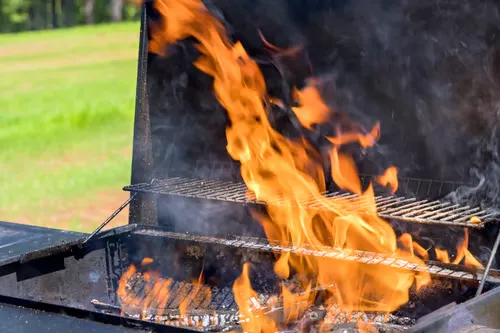
A flare-up is a sudden burst of flames that shoots up from the cooking area of your grill. It happens when fat, oil, or grease drips onto a hot surface and catches fire. Because fat burns fast, the flames rise quickly and can lick the food sitting above them.
A small flame that dies down in a few seconds is normal. Some cooks even like it, since a little flame adds char and smoky flavor. A big, roaring flame is a different story. It coats your food in sooty smoke, burns the outside before the inside is cooked, and leaves a bitter taste.
So when you wonder why your grill keeps flaring up, the real question is what is feeding the fire. Once you know the fuel, you can take it away. The next few sections cover the biggest culprits.
Why Does My Grill Flare Up? Grease Buildup Is the Top Cause
If your grill flares up almost every time you use it, a dirty grill is the first place to look. Grease and food bits pile up over time on the grates, the burner covers, the bottom of the firebox, and the drip pan. Each cookout adds another layer, and that layer is basically fuel waiting for a spark.
When the grill heats up, old grease melts and starts to smoke. Add fresh drippings from a burger or a chicken thigh, and the whole mess can ignite. This is why a grill that flared up a little last summer can flare up a lot more this year. The buildup keeps getting thicker.
Here are the spots where grease likes to hide:
- Grill grates: Baked-on residue and leftover food scraps burn and feed the flames.
- Heat deflectors and flavorizer bars: On a gas grill, these catch drippings and slowly get coated.
- The bottom of the firebox: Grease runs down the sides and collects in the corners.
- The grease tray and drip pan: If the tray is full, it can overflow or even catch fire on its own.
A good cleaning is the best cure. Brush your grates after every cook while they are still warm, and plan a deeper clean every few weeks during grilling season. Once or twice a year, do a full teardown. Scrape out the firebox, wash the burner covers, and empty the grease tray. That one step makes the biggest difference. If it sounds like too big a job, a professional grill cleaning service can take care of it for you.
- Excess grease and food residue can cause sudden flare-ups, so consider hiring a professional grill cleaning service to remove stubborn grease and keep your grill safe.
- Regularly brush your grates to remove leftover food particles and prevent grease from accumulating.
Fatty Meats, Oily Marinades, and Sugary Sauces
Even a spotless grill can flare up if the food itself is dripping with fat. Some foods are simply more likely to cause flames than others.
The usual suspects are:
- Burgers made with 80/20 ground beef
- Bone-in chicken thighs and drumsticks with the skin on
- Sausages, bratwurst, and hot dogs
- Bacon and pork belly
- Ribeye and other well-marbled steaks
As these foods cook, the fat melts and drips down onto the hot surface below. The more fat there is, the more fuel the flames get.
Marinades and sauces play a part too. Oil-heavy marinades run off the meat and drip straight onto the heat. Sugary sauces, like barbecue sauce, honey glazes, and teriyaki, burn quickly and can ignite. If you brush on sauce at the start of the cook, you are almost asking for flames.
A few easy habits help:
- Trim extra fat from steaks and chicken, leaving about a quarter inch.
- Pat marinated food with a paper towel before it hits the grates.
- Add sweet sauces during the last five minutes of cooking.
- Start fatty foods over indirect heat, then finish them over the flame for a quick sear.
You do not have to give up juicy burgers or crispy chicken skin. You need to manage where the fat goes.
Gas Grill Problems That Cause Flare-Ups
If you cook on a gas grill, a few setup issues can make flare-ups more likely.
Heat that is too high. Many people crank every burner to high and leave them there. At that temperature, fat that drips down ignites right away. Medium heat is plenty for most foods, and it gives you far more control.
Missing or worn heat deflectors. Flavorizer bars, heat tents, and burner covers sit between your food and the flame. Their job is to catch drippings and turn them into smoke instead of fire. If they are rusted out, cracked, or gone, grease falls straight onto the burners and flares up.
A full or dirty grease tray. The tray under the firebox is meant to carry grease away safely. When it is packed with old fat, that fat can heat up and ignite.
Burner trouble. Healthy burner flames are mostly blue. If you see lots of yellow or orange flames, or if the flame looks uneven, a burner tube may be clogged with debris or even a spider web. Fire from a blocked burner can also push out in the wrong direction. Turn the gas off at the tank, let the grill cool, and clean the burner ports with a stiff brush or a paperclip.
If you smell gas, or you cannot find the cause, stop and call a qualified grill technician. Gas problems are not something to guess at.
– If your grill continues to flare up due to burner issues, gas leaks, or faulty components, contact a qualified grill technician for a proper inspection and repair.
Charcoal Grill Problems That Cause Flare-Ups
Charcoal grills flare up for the same basic reason, but the fix looks a little different.
Too much charcoal. Spreading a thick layer of hot coals across the whole grate leaves you nowhere to move food when flames appear. A big, even bed of coals also burns hotter than most recipes need.
Too much oxygen. Wide-open vents feed the coals with air, and more air means taller flames. When fat drips onto glowing coals with the vents fully open, you get a flare-up fast.
No cool zone. This is the most common mistake. If every inch of the grill is hot, one flare-up can ruin everything on the grates at once.
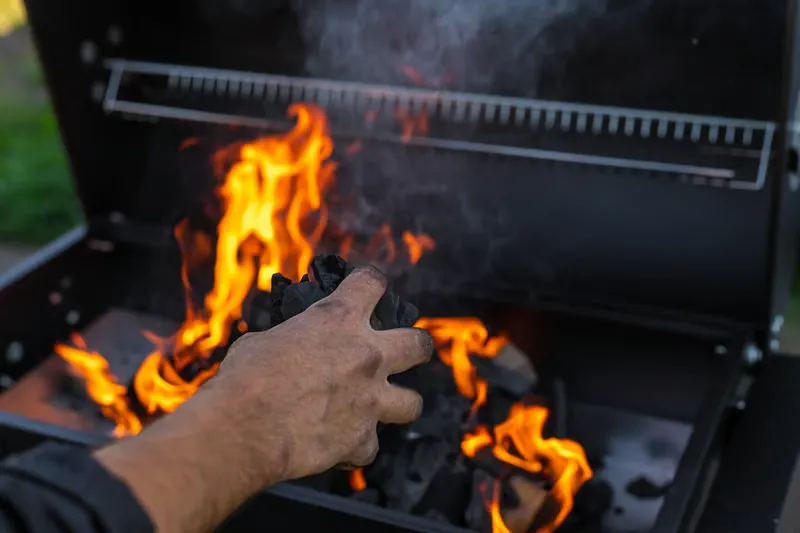
The cure is a two-zone fire. Pile your coals on one side and leave the other side empty. Sear on the hot side, then slide food over to the cool side whenever flames get out of hand. This also works well for thick cuts, since they can finish cooking gently with the lid closed.
You can also keep the vents partly closed to slow things down, and it helps to shake off excess ash so air flows evenly. Cook with the lid on when you can. A closed lid limits oxygen, and flames often die down on their own.
Are Grill Flare-Ups Dangerous?
A brief flicker of flame is usually harmless. A large flare-up is a different matter, and it deserves your attention.
Tall flames can burn your hands and arms when you reach over the grates. They can scorch your food, damage the paint and parts of your grill, and spread to nearby objects. A grease fire that gets out of control can even reach a deck, a fence, or the side of a house.
Heavy charring also creates smoke that coats your food. Many health experts suggest limiting how much burnt, blackened meat you eat, so keeping flames under control is better for both your safety and your dinner.
To stay safe, place your grill well away from walls, railings, and low tree branches. Never leave it alone while it is lit. Keep long-handled tongs within reach, and know where your fire extinguisher is before you ever need it.
What to Do When Your Grill Flares Up
When flames shoot up, stay calm and act in this order:
- Move the food. Use long tongs to slide your food to a cooler part of the grill, away from the flames.
- Close the lid. Shutting the lid cuts off oxygen, and small flare-ups often fade within seconds. On a charcoal grill, partly close the vents too.
- Turn down the heat. On a gas grill, lower the burners or switch them off until the flames settle.
- Wait it out. Once the grease burns off, the flames shrink. Then you can move your food back.
One big warning: do not spray water on a grease fire. Water and hot grease do not mix. It can splatter burning grease, spread the fire, and cause steam burns. Some people use a spray bottle for charcoal flare-ups, but it is safer and just as effective to move the food and close the lid.
If the fire is large and does not die down, turn off the gas at the tank if you can do it safely, keep the lid closed, and step back. Use a Class B fire extinguisher if you have one. If the fire keeps growing, call 911. Never try to carry or move a burning grill.
How to Prevent Grill Flare-Ups for Good
The best way to handle flare-ups is to stop them before they start. A few simple habits go a long way.
Build a cleaning routine.
- After every cook, brush the grates while the grill is still warm.
- Empty the grease tray and replace the drip pan liner often.
- Every few weeks, scrape the inside of the lid and the firebox.
- At least once a year, deep clean the whole grill, including burners, deflectors, and the bottom tray.
Set up your fire the smart way.
- Preheat the grill, then clean the grates before adding food.
- Use medium heat for most foods and save high heat for quick searing.
- Always create a hot zone and a cool zone, whether you use gas or charcoal.
Prep your food before it hits the grill.
- Trim excess fat, and pat marinated food dry.
- Use a light coat of oil on the food, not a heavy pour on the grates.
- Save sugary sauces for the end of the cook.
Stay close and keep tools handy. Flare-ups happen fast, so stay at the grill. A good pair of long tongs and a grill brush are worth the money. And if your heat deflectors or burner covers are damaged, replace them. They cost far less than a ruined meal or a repair bill.
Frequently Asked Questions
Can a clean grill still flare up? Yes. Fatty foods, oily marinades, and very high heat can cause flames even on a spotless grill. A clean grill gives the flames less to work with.
Is it okay to let flames burn the grease off? A small flame that fades quickly is fine. If the flames stay tall or lick your food, move it to a cooler spot right away.
How often should I clean my grill to avoid flare-ups? Brush the grates after each use, empty the grease tray regularly, and do a deep clean once or twice a year. If you grill often, clean more often.
Why does my grill flare up more at the start of the season? Grease from last year may still be sitting in the firebox. A full cleaning before your first cookout removes it.
Final Thoughts
So, why does my grill flare up? In most cases, the cause is grease, fatty food, or too much heat, often all three at once. The fix is just as simple: keep your grill clean, trim and dry your food, cook over medium heat, and always leave a cooler zone for backup.
With these habits in place, you will spend less time fighting flames and more time enjoying great food. And if your grill is in rough shape, a thorough cleaning is the best place to start.
– Following simple maintenance habits and learning how to keep your grill clean can reduce grease buildup and help prevent unexpected flare-ups.